Broad Street project, zoning changes: Latest from the City Plan Commission
Proyecto Broad Street Y Cambios De Zonificación: Últimas Noticias De La Comisión De Planificación Urbana
At its April 28 meeting, the Providence City Plan Commission (CPC) gave positive recommendations on two zoning changes, which will now advance to the City Council. The first involves rezoning parcels on Eddy, Bay, O’Connell, and Sherburne Streets in Lower South Providence from mixed-use to industrial to allow stacking storage containers. The second rezoning request concerns 149 Governor Street, enabling expansion of a dental practice in a former dental office and residence.
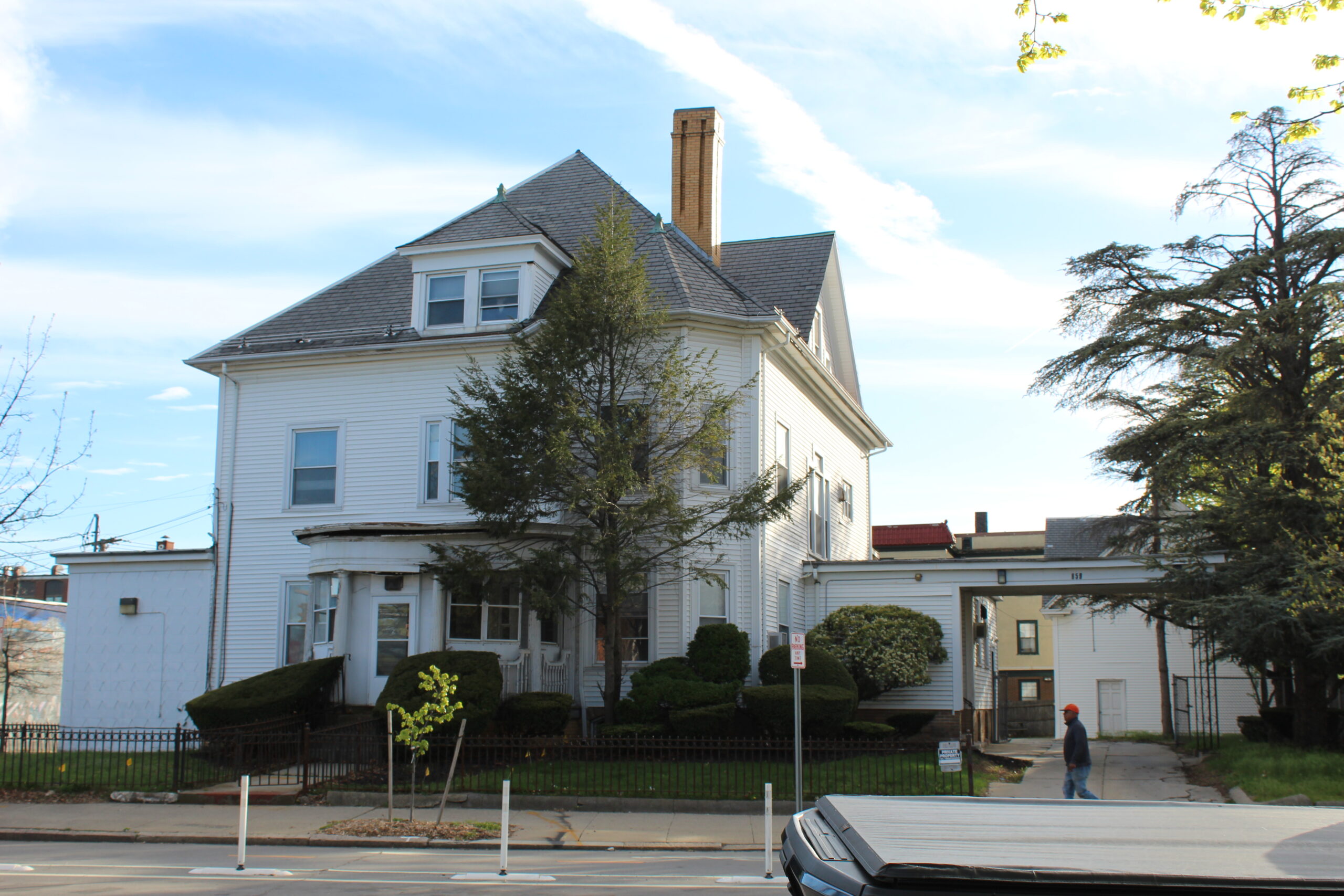
Additionally, the CPC approved a unified development review for a project at 859 Broad Street, submitted by the State of Rhode Island. The plan calls for replacing an aging substance use treatment facility with a new building. The state sought variances to add an extra bed beyond the eight allowed by zoning and to adjust setback requirements. The existing building, constructed in the 1890s and not historically protected, is in disrepair and unsuitable for modern clinical needs. Commissioners approved the variances but recommended design modifications to better fit the neighborhood’s character and suggested salvaging historic materials during demolition. The new facility is expected to open by April 2026.
La Comisión de Planificación de Providence (CPC) aprobó recomendaciones positivas para dos cambios de zonificación que serán remitidos al Concejo Municipal y autorizó una revisión unificada para un proyecto en 859 Broad Street durante su reunión del 28 de abril. El primer cambio busca modificar la zonificación de uso mixto a industrial en parcelas de Lower South Providence para permitir el apilamiento de contenedores de almacenamiento. El segundo propone rezonar 149 Governor Street para ampliar un consultorio dental. Ambos recibieron apoyo de la CPC.
El proyecto en Broad Street, solicitado por el Estado de Rhode Island, contempla reemplazar una antigua instalación de tratamiento de adicciones con un nuevo edificio. Se pidieron variaciones en la retirada de construcción y un aumento en la capacidad de camas, de ocho a nueve, ya que la normativa permite un máximo de ocho residentes en este tipo de vivienda comunitaria. La estructura actual está en mal estado y no cumple con las necesidades clínicas modernas, según la arquitecta Damara Sisti Toohey. Aunque el edificio posee valor histórico, no está protegido por normativas de conservación y será demolido. La CPC aprobó el proyecto con sugerencias para mejorar el diseño y considerar la recuperación de materiales históricos durante la demolición.
Related News
Noticias relacionadas