DEM proposes permitting process for tegu ownership in Rhode Island
Dem Propone Proceso De Permisos Para La Tenencia De Tegus En Rhode Island
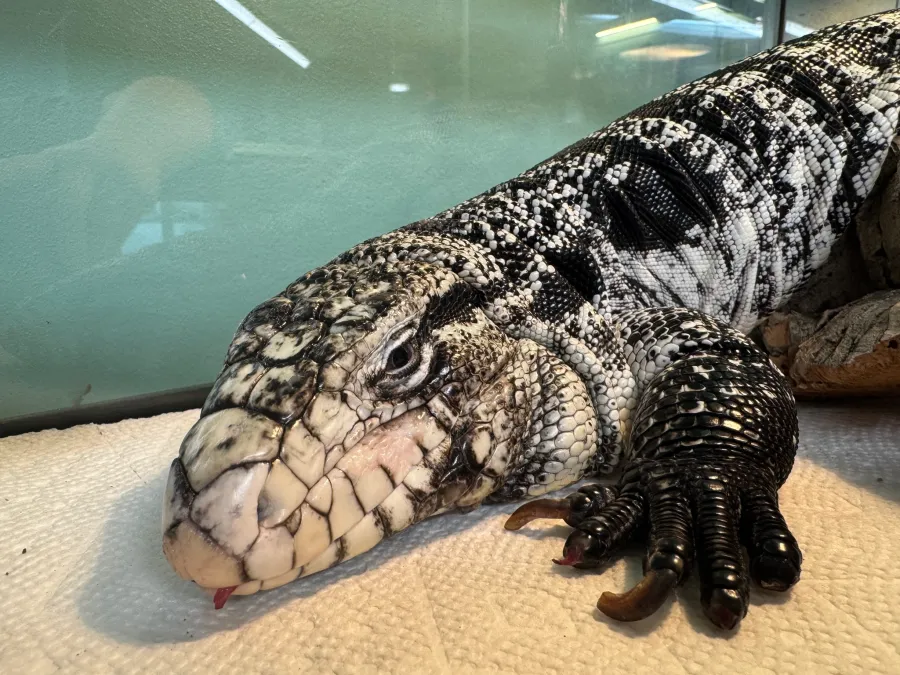
The Rhode Island Department of Environmental Management (DEM) has proposed a new permitting process for owning tegus, a large invasive lizard species. The move aims to better regulate the possession of these reptiles, which have become a concern due to their potential impact on local ecosystems. Under the proposed rules, individuals would need to obtain a permit to legally own a tegu in the state. This change seeks to prevent the release or escape of tegus into the wild, where they could threaten native wildlife and disrupt habitats. The DEM’s proposal reflects growing awareness about the environmental risks posed by non-native species and represents an effort to balance pet ownership with ecological protection. If approved, the permitting system would introduce specific requirements and oversight to ensure responsible tegu ownership in Rhode Island. The department is currently considering public feedback on the proposal before finalizing the new regulations.
El Departamento de Gestión Ambiental de Rhode Island (DEM) está considerando modificar el proceso regulatorio para la posesión de tegus, un tipo de lagarto originario de América del Sur. Actualmente, la tenencia de estos reptiles está sujeta a restricciones debido a preocupaciones ambientales y de seguridad, ya que los tegus pueden afectar la fauna local y el equilibrio ecológico. La propuesta busca establecer un proceso de permisos que permita a los residentes poseer tegus bajo ciertas condiciones específicas, con el objetivo de controlar mejor su tenencia y minimizar riesgos asociados. Esta iniciativa responde a la creciente popularidad de los tegus como mascotas exóticas y a la necesidad de regular su presencia para evitar problemas ambientales. El DEM trabaja en la elaboración de normativas que incluyan requisitos claros para los propietarios, como medidas de seguridad y reportes periódicos, para garantizar que la tenencia de estos reptiles sea responsable. La propuesta aún está en fase de consulta pública y podría ser ajustada antes de su implementación definitiva. Esta medida forma parte de los esfuerzos del estado para equilibrar la protección ambiental con las demandas de los ciudadanos interesados en animales exóticos.
Related News
Noticias relacionadas